Website Under Development
Preview platform usage disclaimer
Please note that this website is currently under active development, testing, and continuous update.
- Displayed contents, information, and features may be partial, incomplete, or inaccurate.
- Data shown is strictly for demonstration purposes and does not constitute an official statement.
- The platform may undergo changes, maintenance, or updates without prior notice.
Digital Health Toolkit for MD
A digital ecosystem designed to support users and promote adherence to the principles of the Mediterranean Diet.

Toolkit Pillars
The ecosystem is designed to support user decision-making in daily life, integrating algorithms and user data to evaluate dietary history based on Mediterranean Diet principles through a guided approach.
Violation of the Seasonality rule: the entered food item is out of season
Violates the Frequency rule: consumed too many times during the selected period
Exceeds the recommended intake defined by MD guidelines
MSA Engine & MD Algorithm
The computational engine verifies food compliance against Mediterranean Diet constraints, reporting specific violated rules (seasonality, consumption frequency, MD guidelines).
Educational Value "Learning by Doing"
A continuous interactive loop (Try - Fail - Learn - Understand) where errors are non-punitive opportunities explained by the system to internalize correct dietary habits and reduce cognitive load.
Mobile Application
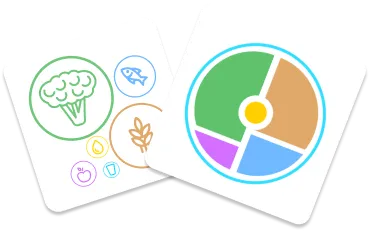
The interaction between interface layout and algorithmic processing guides the user both in visual plate proportioning and analytical understanding of nutritional constraints. The system's real-time response turns composition errors into an immediate, adaptive learning process.
Platform Interoperability
Infrastructure designed to natively communicate with other project toolkits: users can log in with e-learning platform credentials or sync their account via a redirect to the e-cookbook.
Field Results & Toolkit Testing
The Mobile App Toolkit was continuously evaluated during development using the Agile model, as well as during official scientific discussions and direct testing sessions with users and nutritionists across Europe.
Society 5.0
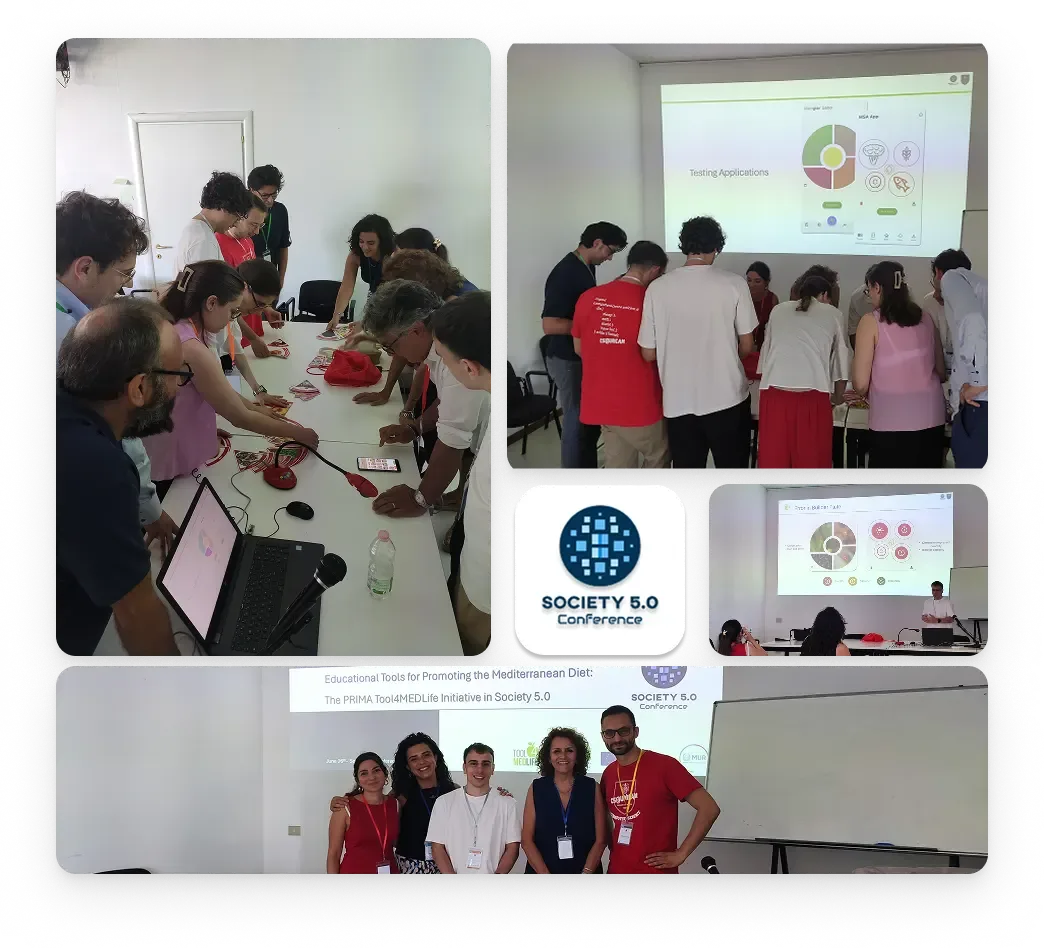
Validation took place during a 45-minute workshop at an international conference, engaging a young and diverse audience composed of PhD students and early-stage researchers. During live testing (approx. 30 minutes), participants freely explored both applications on dedicated devices. To foster an informal environment and open discussion, feedback was gathered directly through verbal discussions during app usage, highlighting excellent interface perception and interest in toolkit features.
- ✓ Broadly positive feedback on app usability and ease of use.
- ✓ Direct feedback from PhD students and young researchers.
- ✓ Direct feedback collection and discussion in an informal setting.
Final Check & Focus Group Preparation
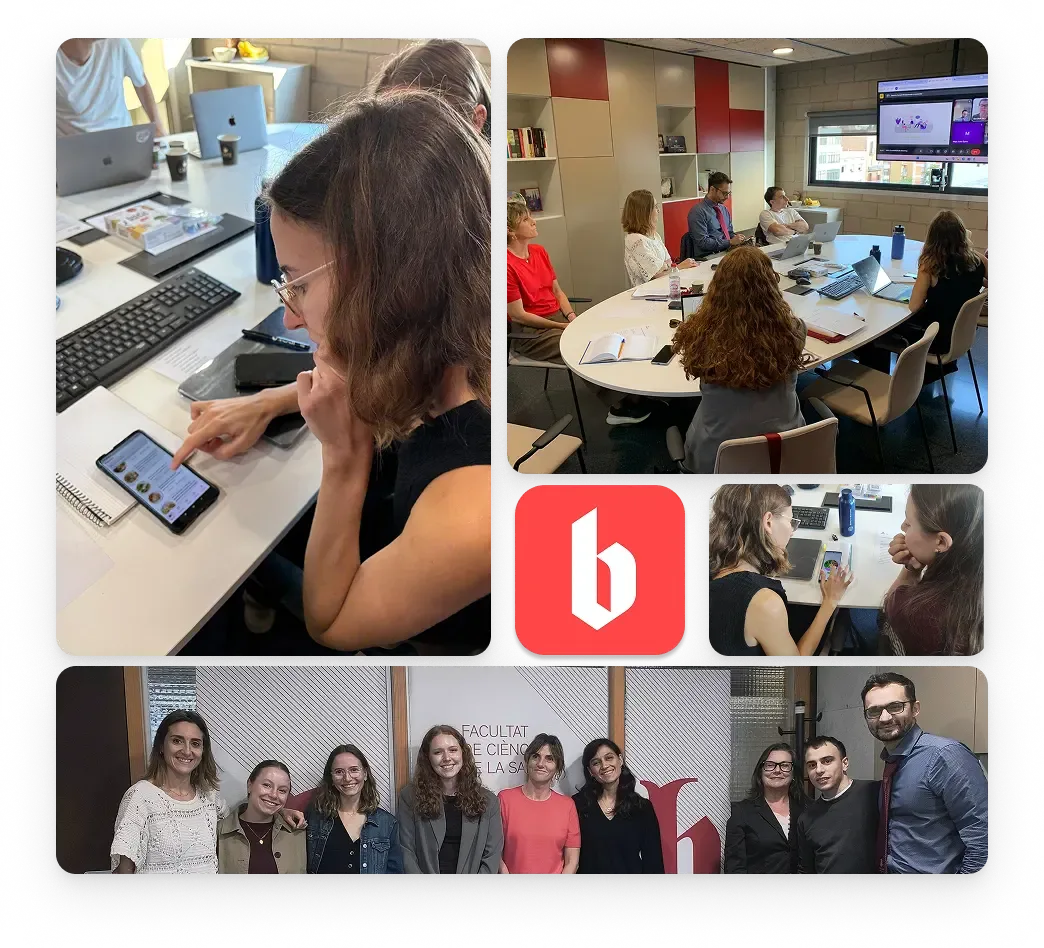
Internal alignment meeting held at Ramon Llull University in Barcelona, preparatory to launching field focus groups. The meeting allowed an in-depth system analysis, identifying critical issues and bugs to track, alongside a general discussion to define testing methodology and share key objectives across the project team.
- ✓ Identification and tracking of critical bugs prior to field testing
- ✓ General discussion on evaluation methodologies and protocols
- ✓ Validation of operational procedures for conducting focus groups
2 Focus Groups across 3 Countries
Validation conducted through Focus Group sessions of at least 45 minutes in 3 Mediterranean countries to test the effectiveness of P1 and P2 apps. The activity involved a diverse population of young people, adults, and project stakeholders engaged in individual live testing followed by an open discussion. Data collected via the SUS scale and direct feedback confirmed high interface usability and practical utility, ensuring alignment with target needs and solid cultural relevance.
- ✓ Direct involvement of young users, adults, and stakeholder partners.
- ✓ Widespread consensus confirming usability (SUS) and application utility.
- ✓ Integrated methodology: live testing, structured data, and open discussion.

Project Team
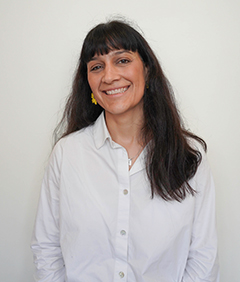
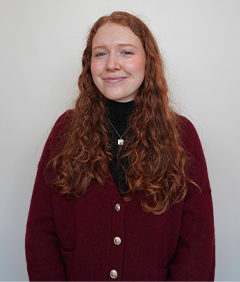
The development of the toolkit is the result of the work of a multidisciplinary team composed of consortium partners and researchers. Thanks to constant communication and continuous alignment meetings, every contribution was essential to the success of the project. The people who made all this possible:
University of Camerino
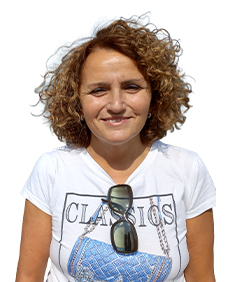

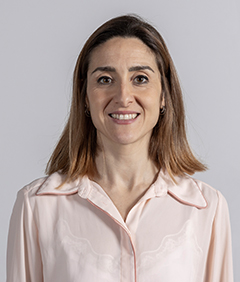
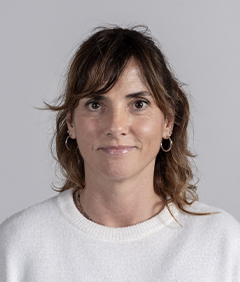
University of Camerino
Expression of Interest
Join the project network. Fill out the form to request preview access to applications, access toolkits, and evaluate opportunities for field testing or technology adoption.